Reduced truck engine power refers to a condition where the vehicle accelerates poorly, struggles on inclines, or consumes more fuel than usual, often indicating underlying engine issues. If not addressed promptly, this condition can lead to more serious damage and reduce engine lifespan.
Engine power loss or reduced truck engine power can originate from various components within the engine and drivetrain systems. Identifying the correct cause helps ensure quick, cost-effective repairs and prevents further damage.
Diesel engines require sufficient airflow for efficient combustion. A dirty air filter restricts air intake, while a clogged fuel filter reduces fuel pressure to the injectors. Both directly impact engine performance.
Dirty or uneven fuel injectors result in inefficient combustion, which is a common cause of reduced engine power.
The turbocharger increases intake air to boost engine output. Oil leaks, worn turbine blades, or reduced boost pressure can significantly decrease power, especially during acceleration or uphill driving.
A clogged Diesel Particulate Filter (DPF) or exhaust pipe restricts exhaust flow, increasing back pressure and reducing engine efficiency.
Long-term use can cause wear in pistons, piston rings, or cylinders, reducing compression and gradually weakening the engine.
Worn spark plugs produce weak ignition sparks, leading to poor combustion and sluggish performance.
Low-quality fuel with impurities can cause blockages. Oil or fuel leaks may lead to overheating and gradual power loss. A worn clutch can also cause the vehicle to feel sluggish despite high throttle input.

Drivers can often recognize this issue through daily operation:
The engine requires multiple attempts to start, with weak or uneven ignition sounds.
High engine RPM without a corresponding increase in speed indicates reduced engine output.
If the truck struggles more than usual on inclines or under load, engine power may be compromised.
Abnormal sounds such as squealing or knocking, along with strong vibrations during acceleration.
A weakened engine must work harder, leading to higher fuel usage.
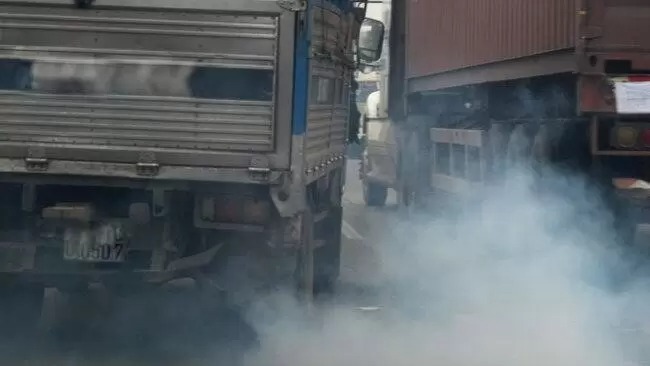
Black smoke or persistent white smoke may indicate incomplete combustion.
Excessive engine temperature or burning smells, especially under heavy load.
Trucks experiencing engine problems can be effectively remedied by regularly inspecting and maintaining key components. The solutions below focus on the common causes mentioned earlier.
Regularly clean or replace air and fuel filters (every 10,000–20,000 km depending on conditions). Engine oil filters should also be replaced to prevent wear.
Clean fuel injectors using specialized solutions or service them at a reputable workshop to restore efficient combustion.
Clean the exhaust system and catalytic components if clogged. Service the EGR valve and intake system to remove carbon buildup. Repair pistons or piston rings if compression is low.
Check the clutch and transmission for slippage. Use the correct engine oil and allow the engine to idle for 30–60 seconds before heavy operation. Avoid overloading and follow scheduled maintenance.
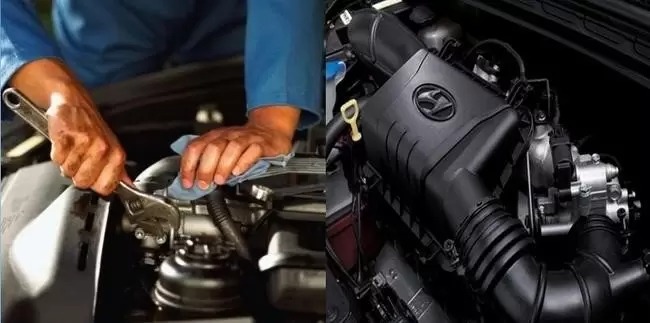
To minimize the risk of reduced truck engine power:
Proper vehicle care not only maintains performance but also extends engine lifespan and reduces repair costs.
If power loss is accompanied by severe vibration, knocking sounds, or persistent heavy exhaust smoke, the vehicle should be inspected at a qualified service center immediately. Delays may result in major damage and higher repair costs.
Engine power loss in trucks reduces operational efficiency and directly impacts transport profitability. However, with early detection and proper maintenance, the issue can be effectively resolved.
Proactive inspection, regular servicing, and operating within proper load limits are key to maintaining engine performance. Timely care can save significant repair costs in the long run.